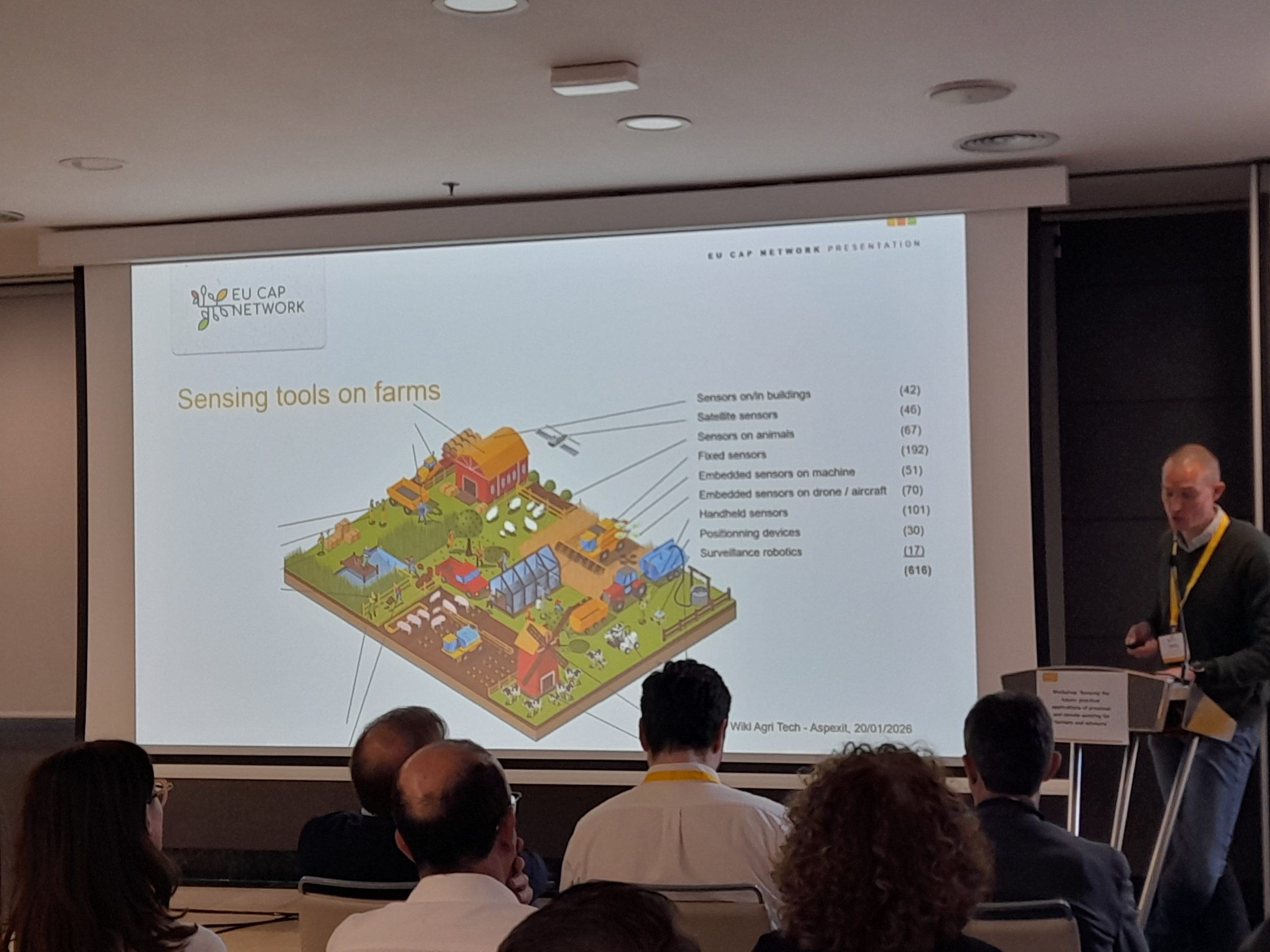
Sensor-based monitoring systems—including sensors mounted on satellites, drones and agricultural machinery, as well as those installed on buildings, on crops, or attached to animals—generate large volumes of data. When properly processed, these data support decision-making, contribute to more efficient use of resources, and ultimately enhance competitiveness. The number of available sensors and applications has increased steadily in recent years; however, the uptake of these technologies remains highly uneven.
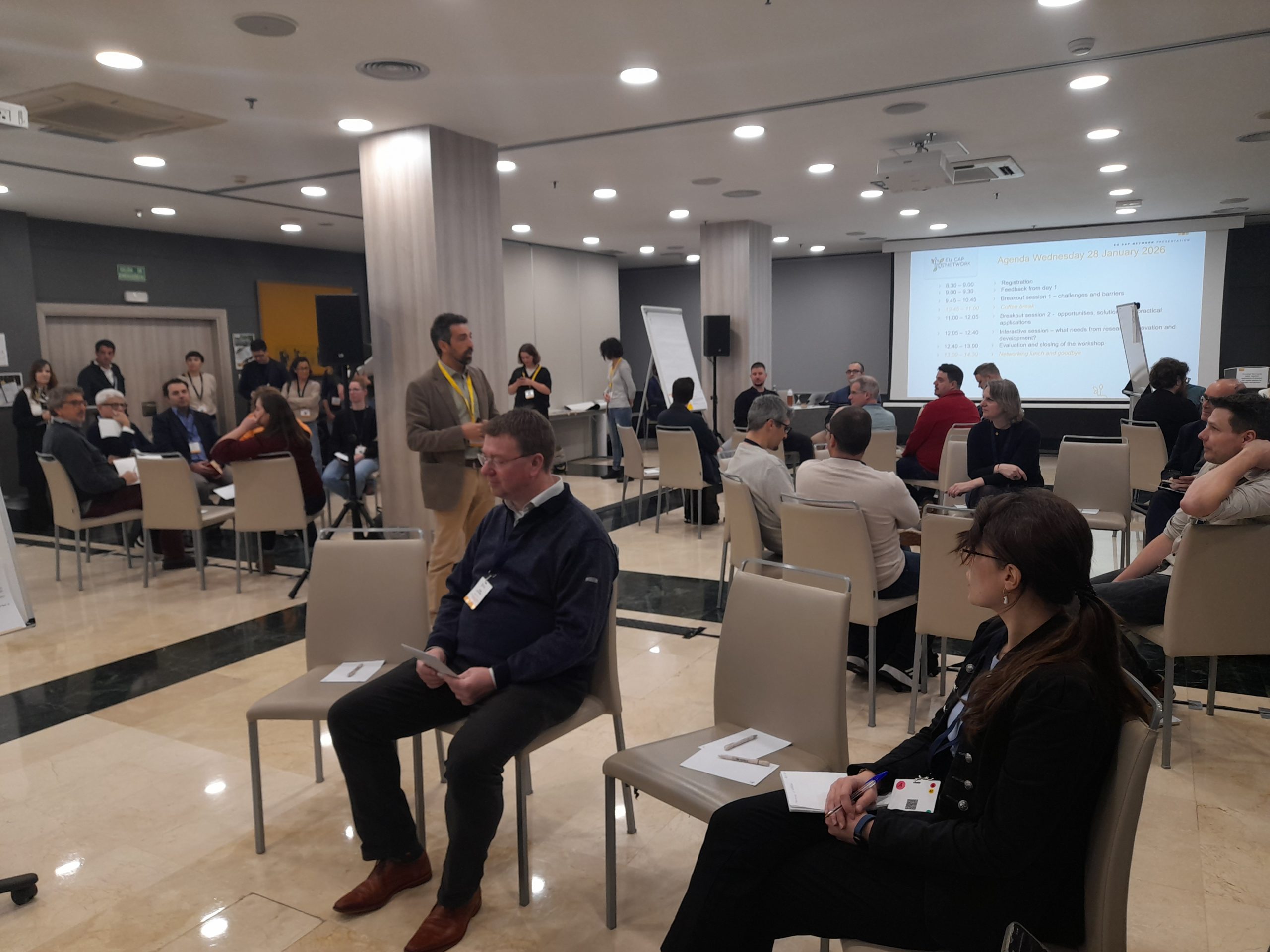
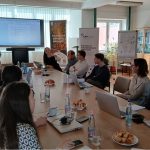
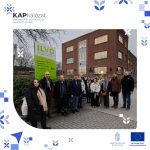
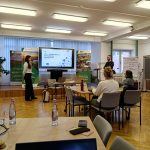
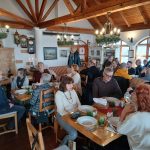
The EU CAP Network workshopheld in Valencia on 27–28 January 2026 focused on the practical application of field sensors and remote sensing, as well as their economic and social implications. The tightly structured programme approached the topic from multiple perspectives:
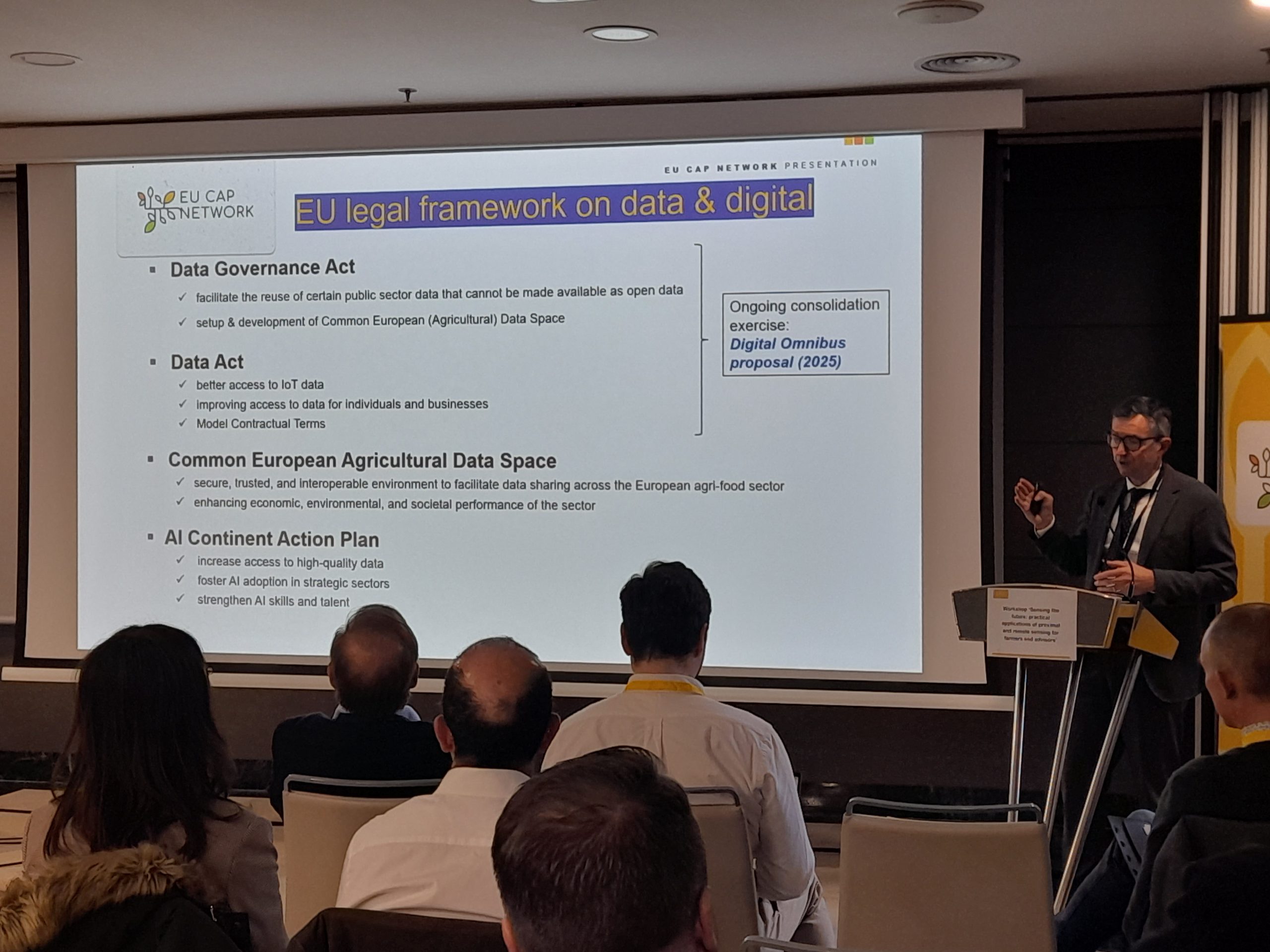
- the plenary speakers provided an overview of the agricultural applications of sensor technologies, the EU policies and programmes supporting digitalisation, and the state of agricultural digitalisation in Spain, including innovation support schemes;
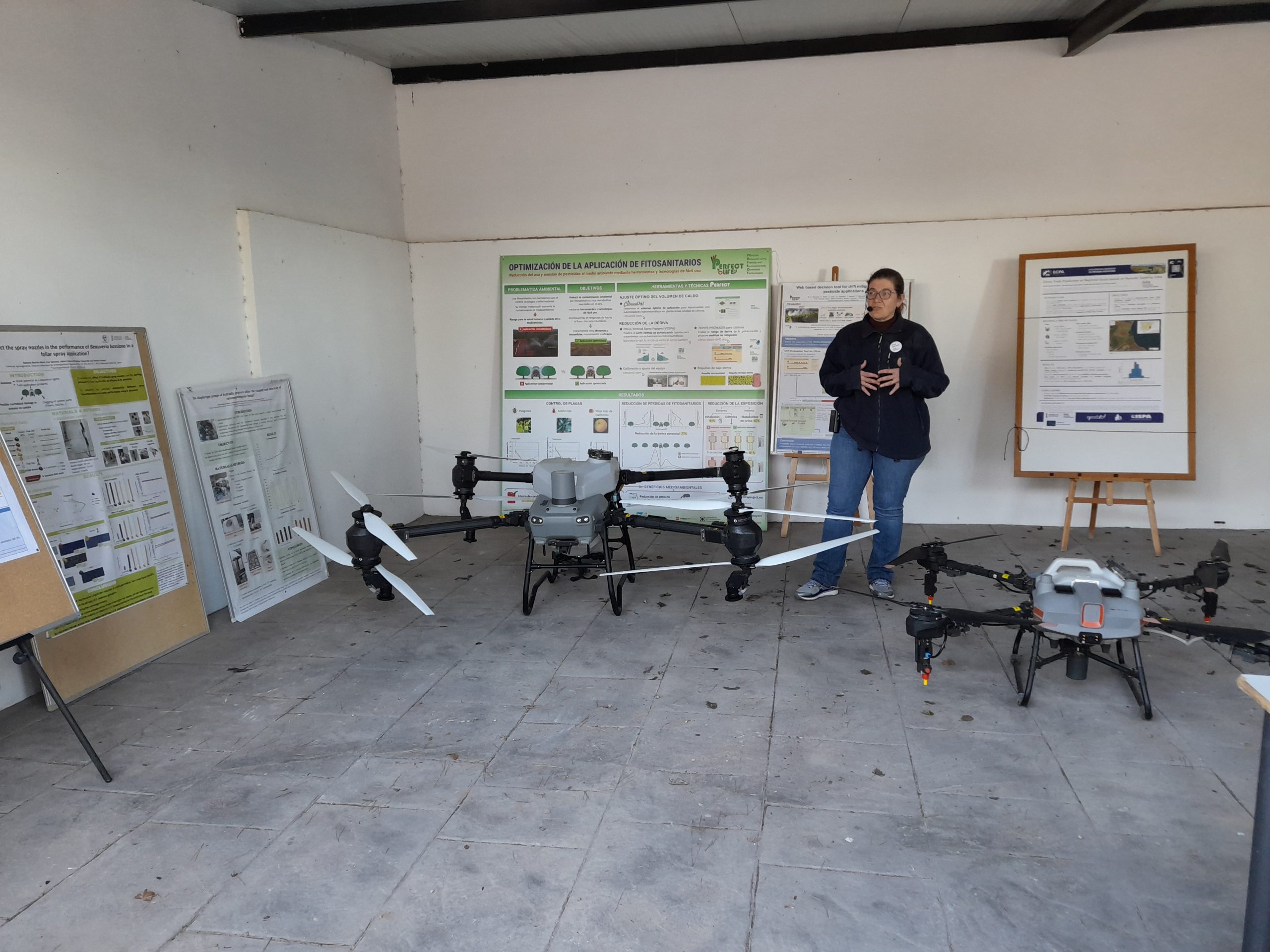
- 24 research projects were presented in a poster session;
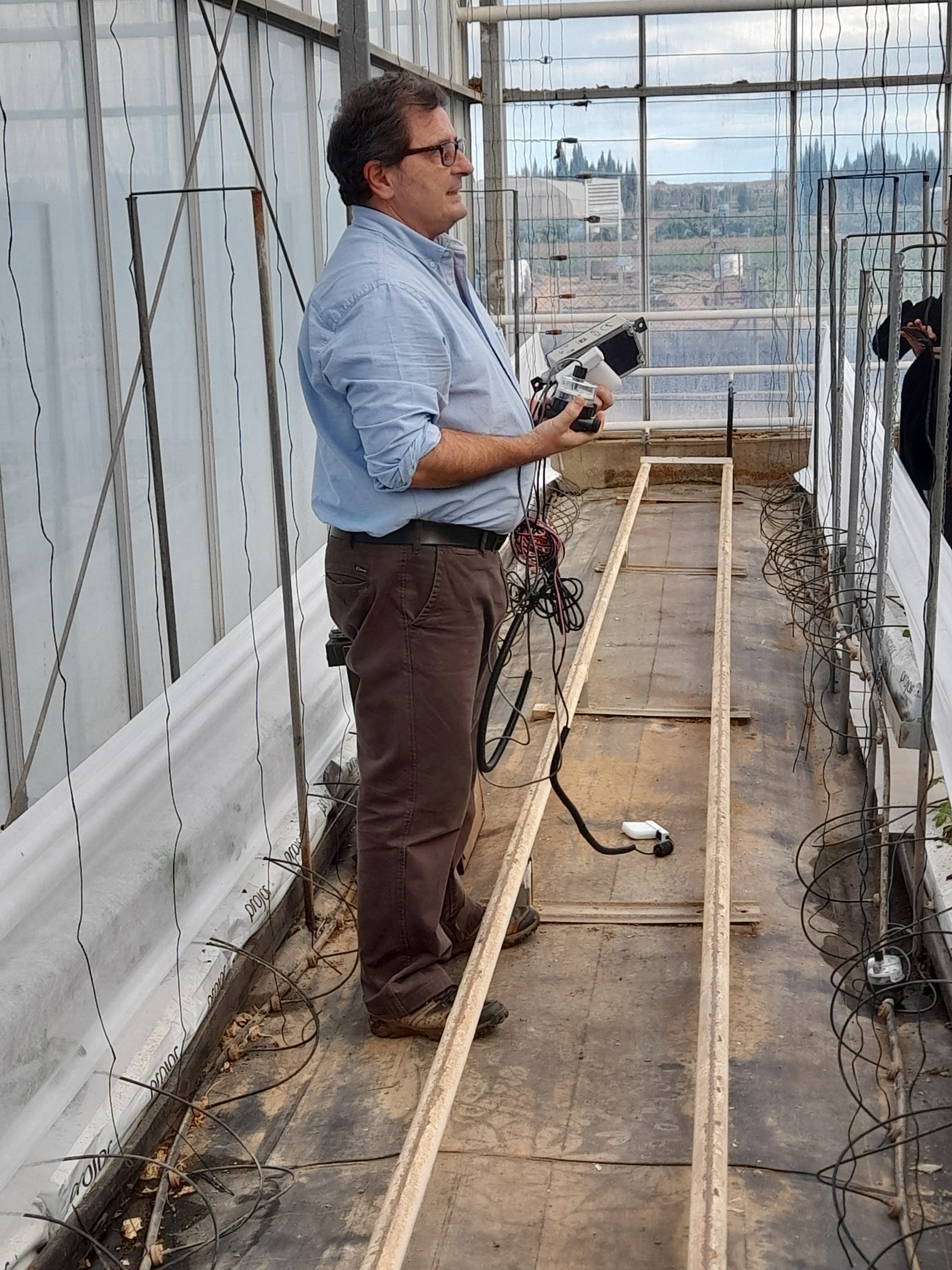
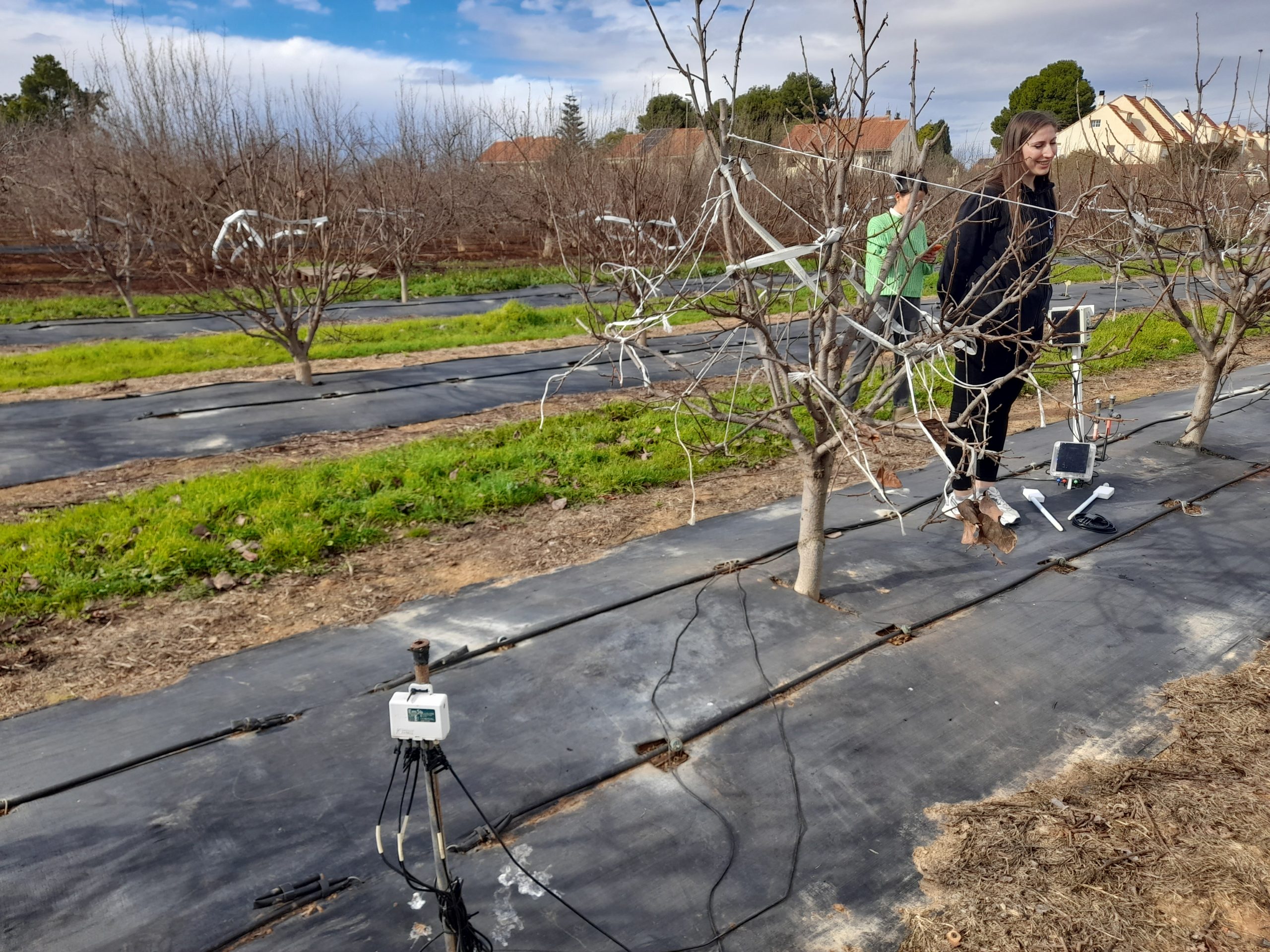
- field demonstrations were organised at two locations;
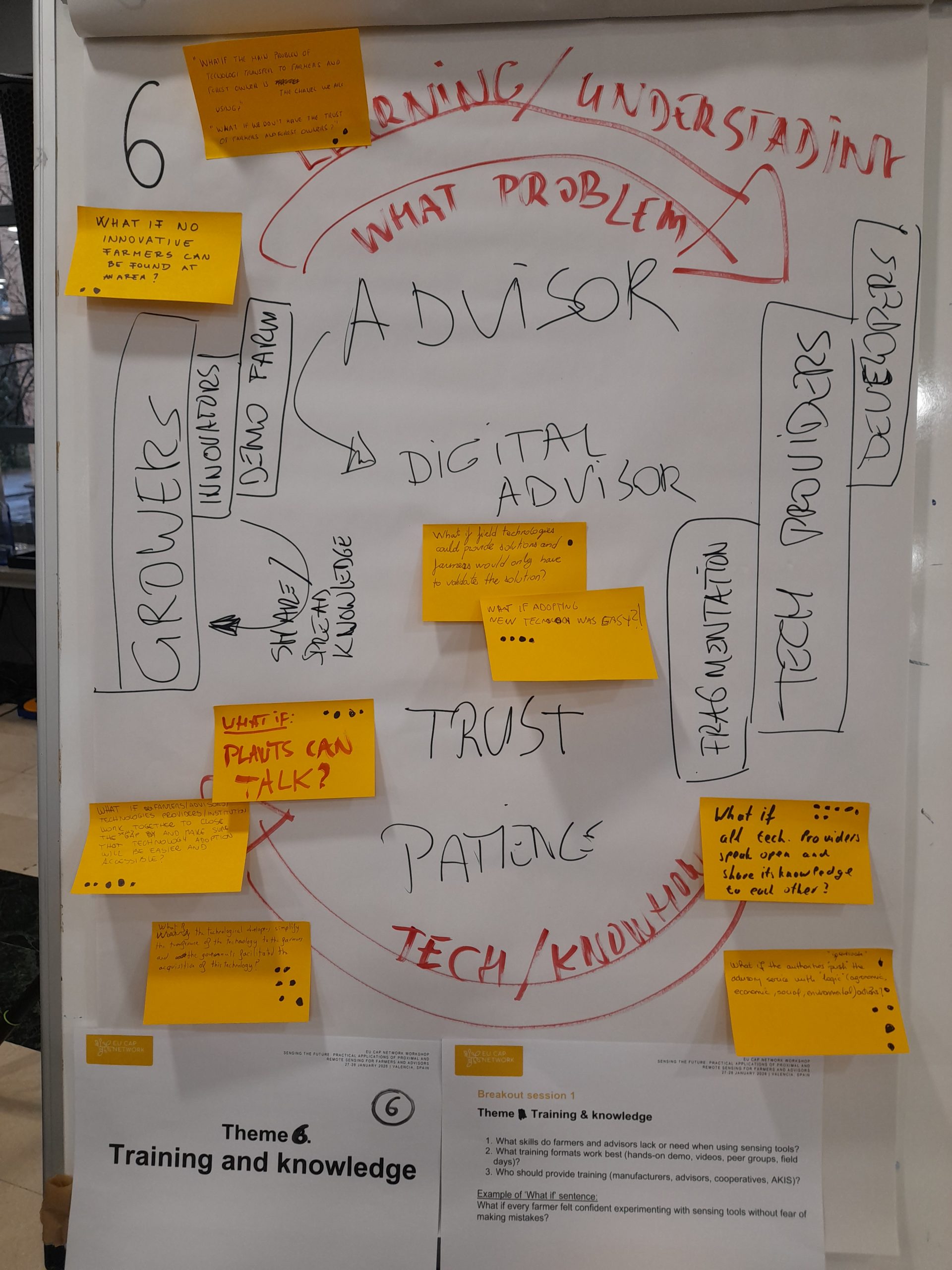
- and the participants discussed the challenges, barriers and opportunities related to the use of sensors in small-group sessions.
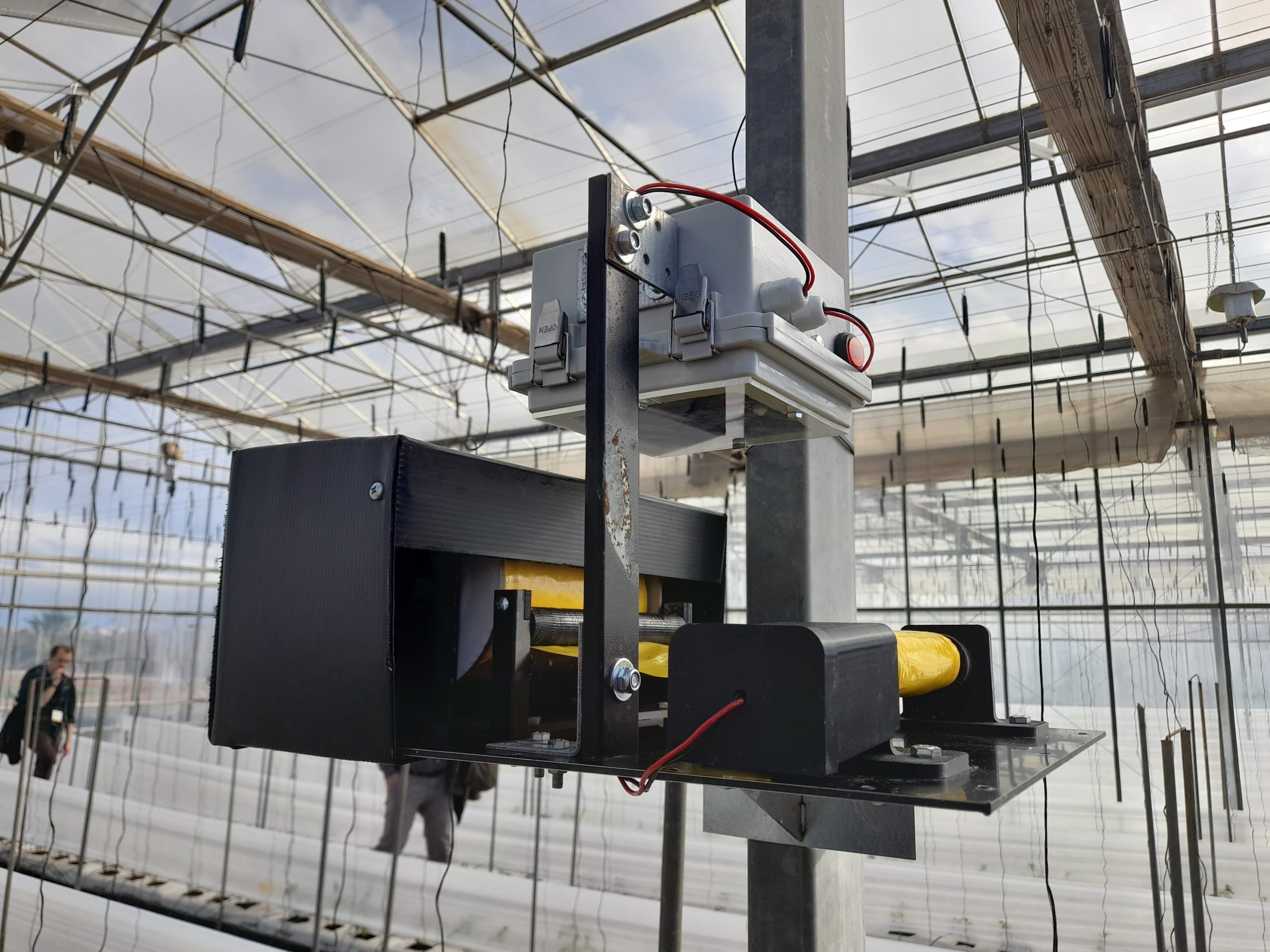
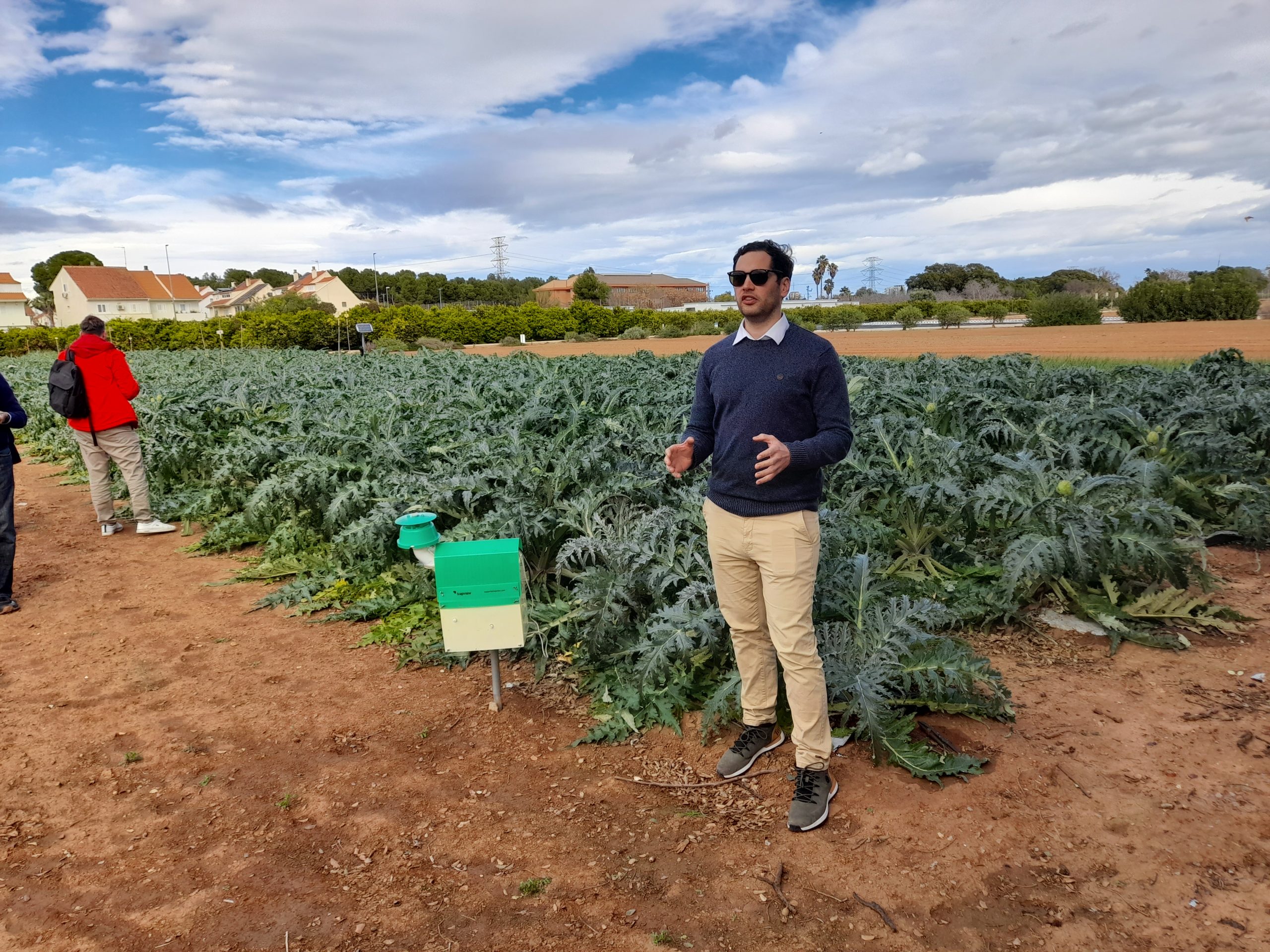
One of the field visit locations was a 7-hectare experimental site operated by Fundación Grupo Cajamar, functioning as a living laboratory. The experiments focus primarily on citrus and other horticultural crops (e.g. tomato, pepper, cucumber, melon, artichoke, and persimmon), addressing precision agriculture, efficient water use, climate change adaptation, and biological pest control. Both open-field and greenhouse settings showcased soil moisture sensors used for irrigation control, as well as camera-based pest traps supporting biological plant protection.
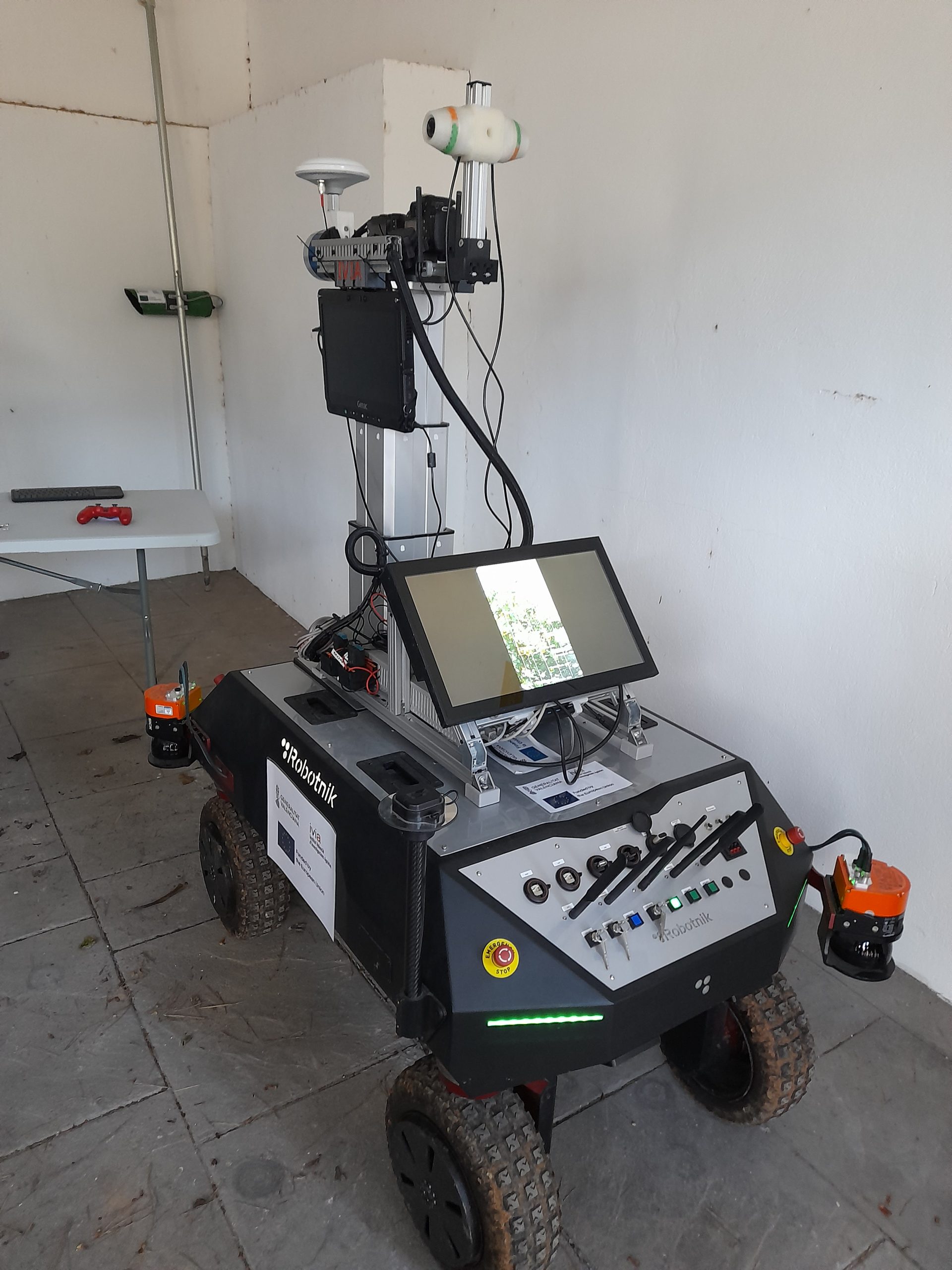
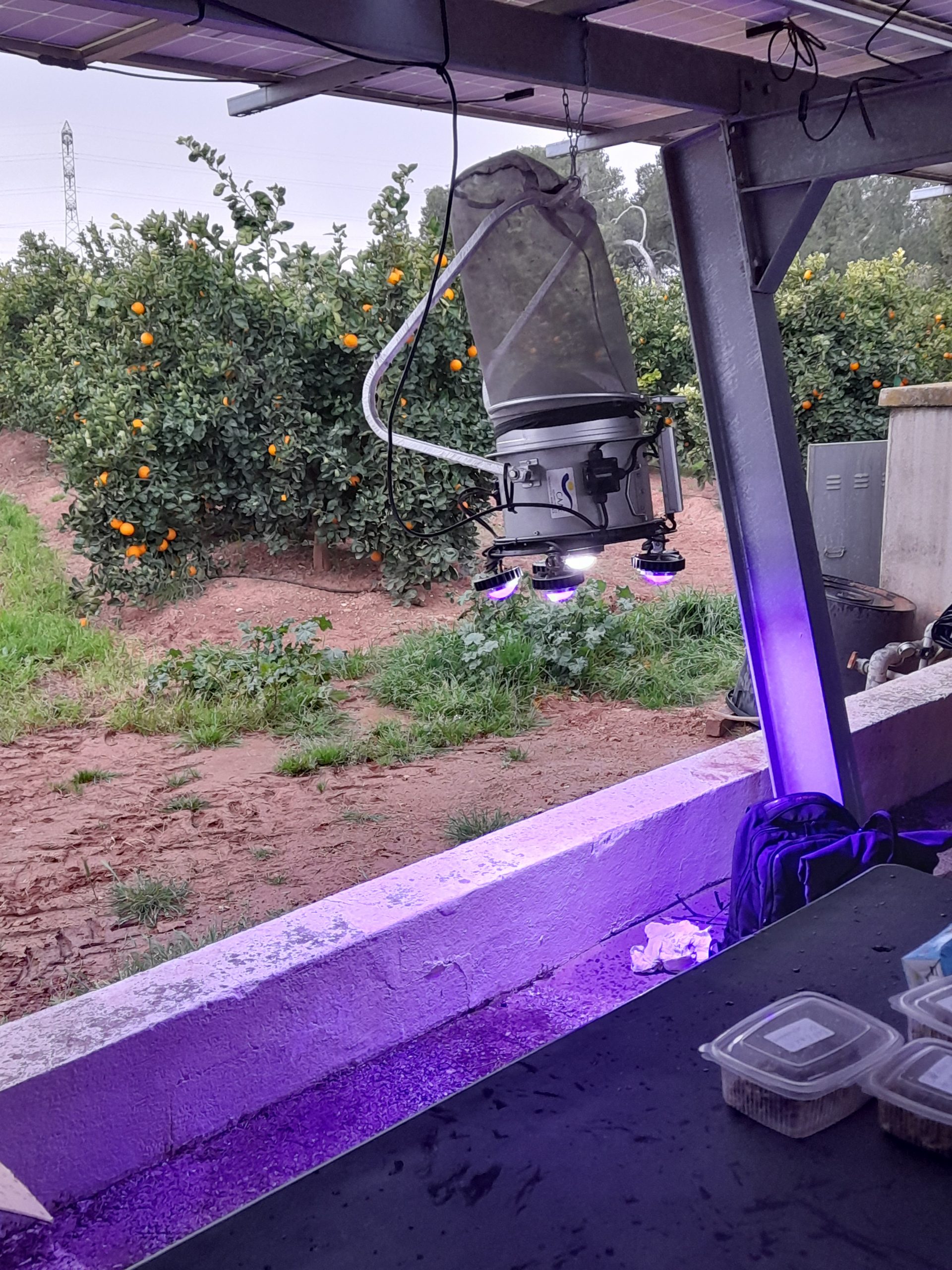
The ANECOOP agri-food cooperative integrates and coordinates the production of more than 20,000 farmers and also operates an experimental facility of nearly 20 hectares. Approximately 500 fruit and vegetable varieties—particularly citrus and horticultural crops (e.g. grapes, persimmon, and kiwi)—are grown for experimental purposes. The research focuses on genetic improvement, sustainable plant protection, and the development of new products tailored to consumer demand. Demonstrations included, among others, an electric autonomous tractor charged by solar panels, an autonomous robot for data collection in orchards, several drone-based surveying systems, meteorological and soil moisture sensors, and an effective light trap covering a large area (0.5 hectares).
Calls for upcoming events are continuously published on the EU CAP Network website. Farmers are particularly encouraged to apply, with both travel and accommodation costs covered by the organisers.