Danish good practices in developing food legume value chains

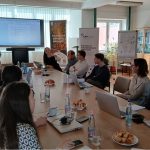
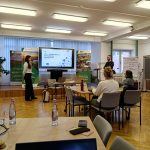
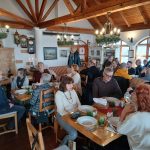
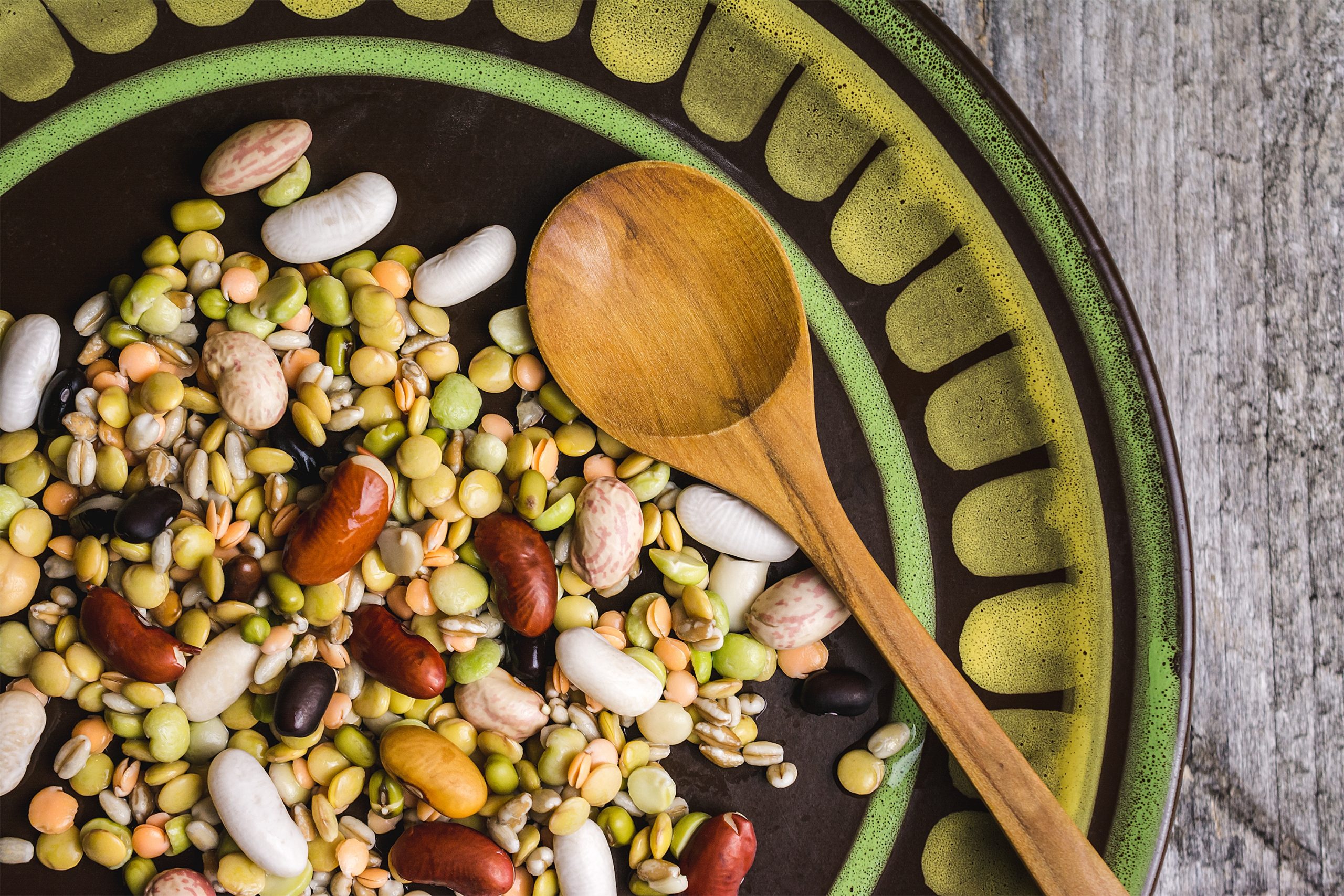
This year, the annual VISIONARY cross-country visit on the development of food legume value chains took place in Copenhagen, Denmark, on 21–22 May. Organised by the University of Copenhagen, the two-day programme brought together food chain stakeholders from five European countries to explore Danish approaches to the production, processing, marketing and consumption of food legumes. The visit focused on how legume value chains can be strengthened and how these crops can contribute to a healthier and more sustainable European food system.

Throughout the programme, participants gained valuable insights into the current state and future direction of the Danish legume sector. Presentations highlighted the role of pulses in Danish food consumption, as well as the social, market and policy factors that can support — or hinder — the wider uptake of plant-based protein sources. Particular attention was given to the Danish Plant-Based Food Grant, a public funding scheme supporting plant-based food initiatives, and to the Danish Legume Partnership, which aims to strengthen cooperation among stakeholders, increase legume consumption and promote a more sustainable food culture.

The visit also featured several inspiring business cases. Participants were introduced to MATR Foods, a company developing and producing plant-based products based on legumes, and had the opportunity to taste some of its products. As part of the field programme, the group visited Bælgkompagniet, a farm in Zealand that has recently shifted from pig production to the organic cultivation and processing of food legumes. This example showed how changing the production structure can open up new opportunities for farmers, while also bringing market, technological and organisational challenges.

The programme also underlined the importance of consumers and food service in driving the transition. Plant-based catering practices at the University of Copenhagen, including the example of the Wicked Rabbit Canteen, demonstrated how legumes can offer a tasty, healthy and cost-effective alternative to meat-based meals in large-scale catering. During the plenary discussions, participants reflected on how Danish experiences could be adapted in other European countries and what further steps are needed to increase the production and consumption of food legumes.

Overall, the two-day visit confirmed that developing European food legume value chains is a complex task that requires the involvement of many different actors. Farmer innovation, cooperation between processors and market players, good practices in public catering, consumer awareness and targeted policy support all have a role to play in helping legumes become a more important part of European diets and agricultural production. The Copenhagen programme offered practical, inspiring and internationally relevant examples of how this transition can be supported.

AKI was represented by Zsófia Balogh, researcher at the Agricultural Economics Research Department. 
Legfrissebb hírek

Danish good practices in developing food legume value chains

Danish good practices in developing food legume value chains

This year, the annual VISIONARY cross-country visit on the development of food legume value chains took place in Copenhagen, Denmark, …
ARTIFICIAL INTELLIGENCE IN AGRIFOOD VALUE CHAINS – TRENDS, REGULATION AND PRACTICAL APPLICATIONS

ARTIFICIAL INTELLIGENCE IN AGRIFOOD VALUE CHAINS – TRENDS, REGULATION AND PRACTICAL APPLICATIONS

On April 29, 2026, a professional workshop on the agricultural applications of artificial intelligence (AI) was held at the AKI …
Following Dutch Best Practices – ITE Study Tour on Sustainable Water Management Successfully Completed

Following Dutch Best Practices – ITE Study Tour on Sustainable Water Management Successfully Completed

During the Dutch study tour on sustainable agricultural water management organised by ITE, participants gained a comprehensive overview of how …
Successful EU-FarmBook and PREMIERE Joint Workshop Held in Granollers

Successful EU-FarmBook and PREMIERE Joint Workshop Held in Granollers

Granollers hosted the 2.5-day joint workshop of the EU-FarmBook and PREMIERE projects, bringing together the full Ambassador team. The main …
Plant Breeding as a Strategic Investment – Impacts at Farm and National Economy Levels

Plant Breeding as a Strategic Investment – Impacts at Farm and National Economy Levels

On 17 March 2026, the 32nd Plant Breeding Scientific Conference was held at the headquarters of the Hungarian Academy of …
Capacity-Building Workshop within the modernAKIS Project

Capacity-Building Workshop within the modernAKIS Project

On 10 March 2026, colleagues from the Innovation and Digitalisation Support Unit (ITE), the Green Support Unit (ZTE), the Rural …
ITE experts participated in the Ministry of Agriculture’s Study Visit to Belgium and the Netherlands

ITE experts participated in the Ministry of Agriculture’s Study Visit to Belgium and the Netherlands

Between 25–29 January 2026, a joint delegation of the Hungarian Ministry of Agriculture and AKI – ITE took part in …
Building Capacity for Successful Soil Health R&I Initiatives

Building Capacity for Successful Soil Health R&I Initiatives

The first (foundation) session of the Capacity Building for Successful Soil Health R&I Initiatives training was successfully held on 4 …
Field Sensors and Remote Sensing at the EU CAP Network Workshop in Valencia

Field Sensors and Remote Sensing at the EU CAP Network Workshop in Valencia

Sensor-based monitoring systems—including sensors mounted on satellites, drones and agricultural machinery, as well as those installed on buildings, on crops, …
Short Supply Chains in Practice – A Successful Study Tour in the Balaton Uplands and the Zala Valley

Short Supply Chains in Practice – A Successful Study Tour in the Balaton Uplands and the Zala Valley

The study tour jointly organized by the Innovation and Digitalization Support Unit (ITE), the Rural and Regional Development Support Unit …